Sunday, November 25, 2012

Day 79 - Bhavnagar-Palitana-Velavadar

The coastal city of Bhavnagar is located in the state of Gujarat.This fifth largest city of Gujarat is situated in the eastern coast of Saurashtra, also called Kathiawar and to the west of the Gulf of Khambat. It is the second largest city of Saurashtra region and is known for its cultural capital. Presently, it is also the administrative headquarters of Bhavnagar District. In 1823, a new capital near Vadva village was established by Maharaja Bhavsinhji Gohil and the place was named Bhavnagar, after his name. The place gained importance owing to its location that facilitated maritime trade. It became the capital of Bhavnagar State. Until Indian Independence in 1947, the Rajput Gohil clan ruled the independent state of Bhavnagar. In 1948, it was the first Indian princely state to unite with the Indian Union. The administration of this state was handed over by Krishnakumar Sinhji, the last Maharaja of Bhavnagar to the people’s representative. The royal family still resides there and are held in high regard by the people of Bhavnagar and adjoining areas. Bhavnagar is also known as the city of culture and education, with heavy contributions from the literary personalities and artistes.


How to reach here:

By Air:Bhavnagar has a domestic airport that has regular flights to the city of Mumbai and other cities in India.

By Rail:The city of Bhavnagar is well connected to all nearby cities and towns in the state through trains.


Best time to visit: October to May.


Languages spoken: Gujarati, Hindi, English.


Must eat: Khichu, Chola nu Shaak (Chickpea Curry), Sev Tameta nu Shaak, Handvo, Halvasan.


Famous Restaurants: Rasoi, Tulsi, RGB, Nilgiri.


Places you must visit:

The small town of Mahuva, locally called Kashmir of Saurashtra for its surrounding landscape is known for its coconut tree plantations. Nearby the beach, there is an age-old Bhavani Temple, a prime attraction of the tourists. The place is also the residence of the Hindu preacher Morai Bapu. Mahuva is famed for onions, groundnuts, wooden toys and jamadar mango.


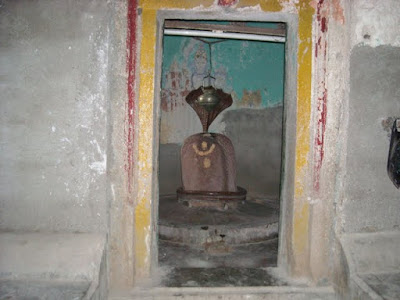
Pingleshwar, a small village near Mahuva, is known for a very old Shiv Ling under the sea. It is only visible in the morning when the tide is out, accessible by a stone-paved road. Near the seashore very old baniyan trees surround the area.


The Victoria Park is a forest conserved by the Indian Government within the boundary of the Bhavnagar city. Rich in flora and fauna, the forest has varieties of Indian birds like waders, raptors and perching birds that attract bird watchers and nature admirers.The park was set up in 1888 by Maharaja Takhtasinhji of the Bhavnagar city. Bound with roads on all three sides, the park is built in a shape of a triangle. It was designed under the supervision of Councillor Mr. Proctor Sins. Thorny, scrubby, spiny and xerophytes are the vegetation mainly found in the forest. There are all together 422 plants in the Victoria Park.


The palace of Nilambag, now converted into a heritage hotel, highlights the blend of western and Indian architectural style. The palace constructed in 1859 was the personal abode of Sir Takhat Singh. A German architecture, called Mr. Sims is credited for the architectural design of the palace. In 1984, the palace was converted into a heritage hotel by Maharaja Dr. Virbhadra Singh, offering modern amenities. The palace has stepped arches, pillared porticos  central courtyard, marble staircase, dining hall decorated with European chandeliers and an age-old library.


Inaugurated in the year 1955, the complex of Gandhi Smriti situated in the central part of Bhavnagar is attached to a clock tower. The Smriti has a gallery showcasing books, rare photos and memorabilia associated with the life of Mahatma Gandhi. There is also a museum of artifacts displaying items like nut cutters and religious carvings in Gandhi Smriti at Bhavnagar.Beside the museum and the picture gallery, Gandhi Smriti also presents the Khadi Gramodyog Bhandar and a library. It also houses some embellished items that are traditional and local handicrafts.


The Takhteshwar temple dedicated to Lord Shiva is visited by thousands every day. The temple was built in 1893 under the patronage of Maharaja Takhtasinhji and was named after him. Built on the top of a hillock, tourists can view the whole city and the Gulf of Khambat from the temple premise.The temple along with its whole complex is made of white marble. Tourists mainly visit the temple to worship Lord Shiva, though the site is also famed as a picnic spot. The architectural design of the temple focuses mainly on the late 19th century architectural style.


Gopnath, headquarter of the Bhavnagar District is located on the coast of Gulf of Khambhat.The site is also known for the shrine of Gopnath Mahadev, where Narsingh Mehta, the devotional poet is believed to have gained his divine experience, around 500 years ago.The coast of Gopnath is dotted with islands and limestone cliffs. Tourists enjoy a stroll along the sandy beach of the Gopnath coast. The site also features the Gopnath Bungalow, now transformed into a heritage hotel, which was the seaside retreat of the Gohil rulers of the city of Bhavnagar.


The 19th century Barton Library is one of the oldest libraries of the city. The library standing in the central part of Bhavnagar is a hub of historical and cultural significance. The Barton library is frequented mainly by the elderly people, who read magazines, newspapers and dailies to pass their time. The library houses a number of books and manuscripts in different languages.Barton Museum was also established in the 19th century. The museum houses a private collection of Colonel Barton, a prime British representative of Saurashtra. It showcases weapons, coins, agricultural implements, wood carvings and fossils. Gandhi Smriti, set on the first floor of the museum was established in 1955, a museum with picture gallery, a library and Khadi Gramodyog Bhandar.


Gangahaja is a temple dedicated to Goddess Ganga. The temple along with the entire temple premise is made of white marbles. The shrine of Gangadevi was built in 1893 under the patronage of Takhtsinghji, a maharaja of the city of Bhavnagar. The temple was built to pay honour to Maharani Majirajba. The temple designed by Sir John Griffits, attracts tourists many tourist.


The Water Lock gate of Bhavnagar is one of the prime sightseeing attractions of the tourists. The Gate was built with the purpose of maintaining the sea water level in the docks. This aids the ship to remain floating also during the low tide. Prior permissions are required to view this Lock Gate. The Lock Gate is located in a city dockyard, built 100 years ago.


Palitana, a religious city,One of the major pilgrimage centres for Jains, this destination is located at a distance of 50 km to the south-west of Bhavnagar city. The history of Palitana dates back to as early as the year 1194. It was established as a 'Second Class' princely state sprawling over an area of 777 sq km. It was one of the major states of Saurashtra.In addition to Palitana's hand weaved bamboo products, the destination is also known for its beautiful temples. The city has around 1300 temples, which are known for their intricate carvings and architecture. The unique trivia about these temples is that these have been constructed over a period of over 900 years by various generations of Jains. The construction of these temples began in the 11th century. Kumarpal Temple, Sampriti Raja Temple, Shri Adishwar Temple and the Vimalshah Temple are some of the most prominent temples, which are flocked by large influx of pilgrims every year.

One of the oldest temples present on the Shatrunjaya Teerth is the Digamber Jain temple that consists of nine shrines within itself along with various Terthankaras. The idol of the principal deity, Bhagwan Shantinath is installed in the main shrine of the temple. The idol of the deity is about 42 inch in height and was installed here in the year 1686. The idol is in the pose of Padmasana and as per the inscription on the idol, it was installed by a popular businessman from Ahmadabad.


One of the largest and the most sacred temples for the Jain community is the Shatrunjay temple located at the Shatrunjay Hills, at a height of 591 m. In order to reach the temple a traveller is required to undertake a climb of about 4 km. For people dealing with physical challenges, services like lift chair or Doli are also available. On the Shatrunjay Hilltop there are a total of 863 Jain temples made of White marble and it took about 900 years. The 1st temple of Adinatha here was built by the son of the first Jain Tirthankara and it is also popular for being the spot where the Chief Disciple of Adinatha that is Pundarika attained nirvana.


The Velavadar National Park at Velavadar, also known as Blackbuck National Park, is situated in the Bhavnagar District of Gujarat state, India. Established in 1976 in the Bhal region of Saurashtra, it is spread over an area of 34.08 sq km (square kilometer).Flat land, dry grasses and herds of antelope are the major attractions of this park. It has a unique grassland ecosystem and has been running a number of successful conservation programmes for species such as the blackbuck, wolf and lesser florican. The largest population of lesser floricans has been sustained here.The park is open throughout the year. However, the period between monsoon and winter (mid-June to March) is the ideal time to visit the place. Birdwatching enthusiasts should visit the park between December and March, when many species of migratory birds arrive to spend the winter. These include three species of harriers, lesser floricans, eagles, waders and other water birds.


Tuesday, November 20, 2012

Day 78 - Veraval-Somnath

Veraval is a beautiful port town situated in the Junagadh District of Gujarat. It is known for its lush green surroundings and water tides. Founded in the 13th or 14th century by a Rajput named Rao Veravalji Vadher, Verawal was once a fortified port town belonging to the Royal Family of Junagadh. Till 1953, the destination was a part of the Kingdom of Junagadh, which was later merged with India. The town still has many of its old buildings and boasts of a rich cultural heritage as well.


Somnath or Pattan Somnath is located in the Prabhas Kshetra near Veraval in Saurashtra, on the western coast of the State of Gujarat. Somnath is situated at a distance of 79 km from Junagadh, 25 km from Chorwad and 5 km from Veraval Beach, on the confluence of the mythological Saraswati, Hiranya and Kapila rivers.Somnath had been destroyed quite a few times by its invaders who were attracted by its treasures and wealth. As per the ancient inscriptions and carvings found in Somnath, it is clear that the place was originally inhabited by Aryans. Somnath was a princely state of Junagadh before Indian Independence. The place received its name from the Somnath temple. Somnath is also known by names like Deo Pattan, Prabhas Pattan or Pattan Somnath. It is believed that the first temple of Somnath was erected much before the beginning of the Common Era. The references to the Temple of Somnath can be found in ancient texts like Rig Veda, Skandpuran, Shreemad Bhagavat Geeta, Shivpuran, etc. Junayad, the Arab governor of Sind, sent his troops to destroy the temple in 725 AD.  Nagabhata II of the Pratihara dynasty resurrected the temple in 815 in red sandstone. Mahmud Ghazni raided and destroyed the temple in 1024 AD. King Bhoj of Malwa of the Paramara or Panwar dynasty and the Chalukya King Bhima of Anhilwara rebuilt the temple in the period 1026 – 1042. Kumarpal replaced the wooden structures in the Temple with stone in between 1143-72. Going down the centuries, Sultan Allauddin Khilji, Muzaffar Shah I and Mahmud Begda looted and destroyed the Somnath Temple and the Mughal Emperor Aurangzeb even built a mosque on the site of the temple. Post Independence, the Somnath Temple was reconstructed in the Chalukya style of temple architecture.


How to reach here:

By Air: The closest airport is located at Rajkot and this airport is connected to the city of Mumbai by a daily flight.

By Rail: Verawal Railway Station is an important station in the state and it is well connected to places such as Rajkot, Ahmadabad, Bhopal, Ujjain, Pune, Vadodara, Mumbai, Trivandrum and Jabalpur.


Best time to visit: Throughout the year.


Places you must visit:

Prabhas Patan is a place of pilgrimage or Tirtha, which is also known as Somnath Patan.Situated 7 km away of Verawal, this place of pilgrimage is famous for the most popular Jyotirlinga of Lord Shiva. As per the legends, it is believed that Lord Krishna left a mortal body at the end of Krishna avatar enacting the drama of being killed by hunter Jara.


Gita Mandir, popularly known as Birla Temple, is a marble temple located at the confluence of three holy rivers known as Triveni Tirtha. Dedicated to Lord Krishna, this temple is decorated with the inscriptions that depict the several images of Gita Hymns. This temple is known as Birla Temple because it was constructed by Birla family in 1970.According to the mythology, when Lord Krishna was shot by the hunter Jara, he walked about 4 km from Bhaluka Tirtha to reach the site of this temple. One of the most unique things about this temple is that one can hear the echo of his voice inside the temple. Due to this reason, the Krishna bhajans sung by the devotees always echo in the environment.


The Junagadh Gate, the prime gateway to Somnath, is one of the major attractions of the Verawal region. Built several centuries ago, this triple gate has a rich history.Decorated with intricate carvings, this gate was broken by Mohammed Ghazni. He entered the city of Somnath and destroyed and looted all the temples.


The Panch Pandav Gufa, located near Lalghati in Somnath, is a temple founded by the Late Baba Narayandas in 1949. He dedicated this temple to the five Pandava brothers.Along with the idols of the five Pandava brothers, the idols of Lord Shiva, Lord Rama and Goddess Durga are also enshrined in this temple. A Sanskrit college has been established in its compound.
Panch Pandav Gufa


Bhaluka Tirtha, also known as Bhalka Teerth, is believed to be a site where a hunter named Jara hit Lord Krishna with an arrow. This place is known for its holy tirth (pond), which is located at the confluence of the three holy rivers.Out of the three holy rivers, one is the Hiran River. According to legend, when Lord Krishna was sitting under a banyan tree in meditation, Jara, the hunter, shot him with an arrow as he mistook Lord Krishna for a deer.Presently, a temple is located under the banyan tree on the bank of the pond. This small temple is enshrined with an idol of Lord Krishna. At the tirtha, visitors can also see the pink coloured foot of Lord Krishna as well as an image of the hunter Jara sitting with folded hands.


Kamnath Mahadev Temple is a large temple complex, which was built about 200 years ago by a Mayurdhwaj King. The temple complex also comprises a holy pond called Dudhiyu Talav. Besides, water well called as Gangvo Kuvo and a bathing pool known as Mahadev no Kund, are also located inside the temple complex.As per the legends, water of the pond has healing powers that is believed to have recovered Mayurdhwaj King from leprosy.


Triveni Ghat is a site in Somnath, where three holy rivers namely Kapil, Hiran and Saraswati, converges. Popularly known as Triveni Sangam, this confluence symbolises the human birth, life and death. The water of this confluence is believed to be holy and is believed to relief devotees from all curses and ills that have happened in the whole life.Being mentioned in Puranas and great epics Ramayana and Mahabharata, this ghat is a very popular place in Somnath. On the banks of Triveni Ghat, the famous Gita Mandir and Lakshminarayan temple are located.


Lakshminarayan Temple is one of the most popular temples in Somnath that is located close to Gita Mandir. The temple is dedicated to Lord Lakshminarayan, a manifestation of Lord Vishnu. Placed in sprawling complex, this temple is an example of modern Indian architectural style.Besides the idol of Lord Lakshminarayan, deities of many other Hindu gods and goddesses are also enshrined at the temple. The highlights of the temple are the glossy marbles that are embossed with intricate carvings that depict the Puranic stories.


Sana Caves: The remains of the Buddhist establishment of Sana has nearly 60 caves on the three spurs around the three sides of an elevated plateau which slopes sharply down to the stream of Rupen river on the west. The caves were excavated at different heights of the spurs, mostly approached by rock-cut stairs. Considerable attention was paid towards water harvesting and the supply of water was augmented by excavating the caves with a fairly large number of tanks with small oblong mouths having rock-cut walls on three sides.The caves are marked by an austere simplicity and complete absence of sculptures. There are three chaitya-grihas. All of them are apsidal halls with flat ceilings. Two of them, cave 13 and cave 26 have a long veranda with plain pillars resting on a raised basement and supporting a beam below the flat ceiling, while the third has a deep veranda or porch now completely open in the front. The monasteries provide some significant features. They consist of a pillared veranda usually with one or two cells at the back and very rarely three or four cells. The plan of cave 48 is a different one. There are two halls of unusually large dimension. Around the halls are benches. The cave has a central door and a single cell on the dexture and is fronted by a long veranda with having a recess at either end.The pillars and pilasters of one of the caves are connected by back rests. These caves provide a beautiful scenery all around.


Old Somnath Temple, dedicated to Lord Shiva, is one of the ancient temples Somnath that is located on the shore of Arabian Sea. The temple is enshrined with the sacred Shivling, which is one of the 12 Shiva Jyotirlingas. According to the mythological evidences, this temple was constructed by the moon. The moon dedicated this temple to Lord Shiva, to get reprieved from the curse of Daksha. This temple was first destroyed by Mohammed Ghazni in 1026 AD and after that by several Muslim invaders. The last Muslim to demolish this temple was Mughal Emperor, Aurangzeb in 1706. In 1950, this temple was renovated and now contains a high tower of about 50 m height over the main sanctum.


Parashuram Temple is an ancient temple, which is dedicated to Lord Parashuram  one of the incarnations of Lord Vishnu. This temple is situated at the bank of the Triveni Ghat and comprises of two ancient Kunds. The rare temple of Parashuram is located at a landscape. According to the mythology, Lord Parashuram had undergone a long period of penance at the site of this temple. He did penance to come out from the curse of killing the Kshatriya Kings.


Somnath Jyotirlinga Temple is one of the main 12 Shiva temples in India. This temple is enshrined with the Jyotirlinga that is adorned with flowers, silver and gold adornments. Constructed in the Chalukya style, this temple stands about 155 ft tall and stone Kalash that weighs 10 tonnes is placed atop the main shikara. According to the mythology, this temple was built in gold by Moon, but Ravana renovated it with silver. Later, Lord Krishna made this temple in wood and finally Bhima built it in stone. This temple has been destroyed by many foreign invaders, but finally it was renovated and opened for the Somnath devotees in 1995.


Somanadham Someswaram Samastha Gunaparagam |
Gora-Padhaka thavagnim Jyothir-Swaroopam Namamyaham ||

somnath


Suraj Mandir, situated at the north of the Triveni Ghat, is an ancient temple. Popularly known as Sun Temple, this temple was constricted for offering prayers to Sun God. Designed with the images of elephants, lions and other animals and birds, this temple is renowned for its architecture. Standing as the symbols of Hindu culture, this temple was renovated after several attacks by Muslim foreign invaders.