Thursday, June 7, 2012

Day 42 - Kullu

Day 42

The town of Kullu, positioned in the charming Kullu valley in the state of Himachal Pradesh and nestled amid lower Himalayas, is primarily famous for its breathtaking natural beauty, sprawling spans of lush valleys and mountains. It is also renowned for its apple orchards, temples.Kullu was once known as Kulanthapitha - the end of the habitable world.Kullu got its first motorable access only after independence. The long centuries of seclusion have however allowed the area to retain a considerable measures of its traditional charm. Here is the core of an intricate web of numerous valleys, each of which is a visual delight and seems more beautiful than the other.The Silver Valley has nature's treasures that lie carelessly scattered as flowers. This wealth nestles by every tree in the splendid forests. There is pleasure in every step you take in these enchanted valleys and in every gurgle you hear in the clear mountain streams.


How to reach here:

By Air: The airport at Bhunter is 10 km from Kullu.

By Rail : Jogindernagar is the nearest railhead to Kullu, which is at a distance of 125 km. This railway station is connected to all Indian cities via Chandigarh which is 270 km away from Kullu.
Another railway station is Kandrori (KNDI) which is 76 kms away from Kullu.


Best time to visit: April to September.


Languages spoken: Pahari, Hindi and English.


Must eat: Sidu, Patande, Meat.


Famous Restaurants: Satyam, Mayur, Gozy.


Places you must visit:


Raghunath Temple worships Lord Ram, who is believed as one of the most important deities in the Hindu mythology and is the patron deity amongst the residents of Kullu valley. It was erected in the year 1660 by Raja Jagat Singh, the one-time ruler of Kullu, basically to make amends for his sins. He got an idol of Lord Ram from Ayodhya and founded it in this temple.


Bijli Mahadev Temple is placed on a spur at an elevation of 2460 meters. As the name suggests, the temple is frequently struck by lightning (bijli, lightning). From the temple a panoramic view of Kulu and Paravati valleys can be seen. A 60 feet high staff of Bijli Mahadev temple glistens like a silver needle in the sun. In this temple of lightening it is said, the tall staff attracts the divine blessings in the form of lightening. The rest of the story can be heard from the priest, which is un-believable but true.
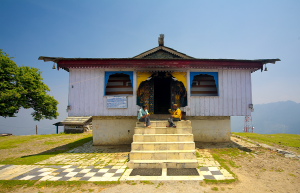


Jagannathi Devi Temple (Bekhli Temple):This temple is believed to have been constructed 1500 years ago. The deity in the temple is also known as Bhuweneshawari, who is considered as the sister of Lord Vishnu. The walls of the temple are carved with the images of Durga and the temple as such reflects the local architecture. this beautiful shrine is also linked with a legend. It is said that once a shepherd boy accidentally noticed that two girls danced to the tune of his magical flute and he caught hold of one among them. The goddess revealed her identity and agreed to settle in the village at Bekhli. 


Chandrakhani Pass is located in the Parbati valley that joins Malana Valley to Kullu Valley. An ideal base for trekking, the pass is known for its scenic beauty. Chandrakhani is 3600m above sea level and offers scenic trekking trails.


Pandoh dam is a power generator hydro-electric dam, built on river Beas. The lake is the reservoir of the dam and has five bays that regulate the water. At a height of 76 m, the dam is earth cum rock filled and is part of the Bhakra Beas Management Board. This dam is en route to Manali from Kullu and tourists can stop over here to capture a few glimpses of this magnanimous beauty in their cameras.


Great Himalayan National Park, also known as Jawahar Lal Nehru Great Himalayan National Park, is an ideal place for wildlife buffs. Located amidst the spectacular natural vista, the park is home to some of the most elusive and endangered species of animals. Sprawling on an area of 50 sqkm, there are around 180 species of bird and mammals that tourists can sight here. Some of the most popular animals tourist can look forward to sights include musk deer, brown bears, Himalayan Tahr, Ibex, black bears and rare species of snow leopard. The best way to explore the park is by taking up a five day trek that is organized by the park authorities.


Hanogi Mata Temple is a popular temple attraction. Dedicated to Hango Mata, this Hindu temple is visited by devotees all the year round. Located atop a small peak, green mountains serve as a backdrop for the temple and a gleaming stream flowing below makes this temple a stunning attraction.


Manikaran is associated with Lord Shiva and his divine consort, Parbati, who lost and recovered her ear rings here. Legend has it that once when Shiva and Parbati were relaxing by the river. Parbati's ear rings fell nto the water. The lord of another world ( Patal Nagari ) named Shesh Nag took possession of them and despite Parvati's pleas, he refused to hand them back. However when all the gods prevailed upon him, he snorted them out of his nostrils, causing a boiling fountain of water to erupt. the jewels thus returned. There are temples of Ramchandra and Shiva besides the Gurudwara. This place is famous for hot water springs. Thousands of people take a dip in its hot water. The main water is so hot that Dal ( pulses ), Rice, Vegetables etc. can be boiled in it.


Pulga and Kheerganga: a stiff march takes one to restful environment affords a Sylvan and peaceful retreat for body and mind. The 'Tos Nullah' which branches off from the main Parbati valley is well worth exploration by those who favour the wilder aspects of natural scenery are prepared to camp out. Kirganga lies 10 km. from Pulga. Khirganga is also famous for hot springs.


Katrain is situated on the way to Manali and has acquired prominence due to apple orchards, a fruit research station and trout hatchery. It is also famous for bee keeping and Govt. trout farm at Patilkulh.


Naggar was the capital of the Kullu Rajas for about 1,400 years. It is also known for its castle and the Nicholas Roerich's Museum. On the left bank of the river Beas and about three hundred metres above the river, Naggar is delightfully situated on the wooded slope and commands an extensive view, especially of the North-West of the valley. There are a large number of famous temples in and around Naggar and an excellent place for a longer stay.


Largi is a small hamlet providing excellent trout fishing. The famous rivers Sainj and Tirthan join the Beas a few hundred metres below. Larji is patronised mostly by anglers.


Malana is a tiny village which lies a little ahead of the 'Chanderkhani Pass' famous for the temple of 'Jamlu'. Malana village is reputed to be the oldest democracy in the world in existence where all the inhabitants of the village take part in managing its affairs. It is also famous for trekking.


Kasol is charmingly located in an open space which slopes down to a broad expanse of clear white sand at the edge of the river. It is situated on the bank of Parbati river in the Parbati valley.


Kaisdhar is a high meadow fringed by deodar trees. A picturesque spot.


Jagatipatt Temple is a  small square structure which contains "Jagtipatt" a slab of stone measuring 5'x8'x6" which is said to have been brought from a place near Vashisht by honey bee. This is also place for meeting of local deities of Kullu.


Tripura Sundari Temple: This pagoda shaped wooden temple is situated in the upper part of the Naggar village. This is also a rare examples of architecture.
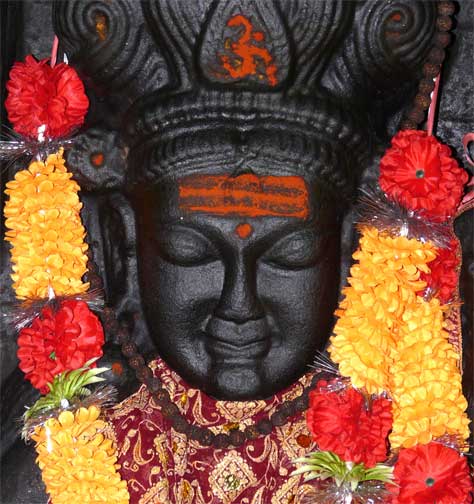


Tripurasundari Vijaya Sthava
[Ode of Victory to Tripurasundari]

Lakshya bhakthi rasardhra hruthsarasije sadbhi sadaradhitha|
Sandrananda mayi sudhakara kala gandojjwalanmoulike||
Sarvani sarana gatharthi samani sachinmayee sarvadha|
Srichakradhi nivasini, vijayathe Srirajarajeswari|| 14

Victory to the Goddess who resides in the center of the Sri Chakra, who lives among those hearts drenched in devotion towards her. She resides in the realm of happiness among those good. She wears the crescent moon on her crown and is the consort of Lord Shiva in her all pervasive form. She consoles those who seek protection in her, who is true knowledge, who is wisdom, who is Bindu, who is bliss all within the self.

Hreengarathraya saputathi mahatha manthrena sampoojitha|
Hothri Chandra sameerana agni jala bhobaswannabhoroopini||
Hamsa sohamithi prakrushtadishanair aradhitha yogibhi|
Srichakradhi nivasini, vijayathe Srirajarajeswari|| 15

Victory to the Goddess Rajarajeshwari who resides at the center of the Sri Chakra, who is invoked by the great chant in the three hreem, who is in the sacred offerings, moon, air, fire, water, earth, sun and sky. Who is worshiped by great yogis who look upon her in the divine form of Hamsa Soham.

Tripura Thilakam
[The Ornament to the Tripurasundari]

Eeshashad unmishada marthya sakhi kusumaavalee vimala tharakaa|
Vrunda Sundara sudhamsu ganda subhagee kruthathi guru kaishikaam||
Neelakunchithga naalakaam nitalabhooshanayatha vilochanaam|
Neelakandasukruthonnatheem, sathathasraye Tripurasundareem|| 3

My heart depends on the Goddess Tripura Sundari who is the greatest treasure of Lord Shiva, who is beauty described in her dense crown of hair which is embellished by the crescent moon she wears, that is surrounded by the very stars of the night sky. This appears like a fully opened flower of the Kalpaga tree. Among her blue locks of hair that gently flow down her crown, and frame her half open eyes that are like lilies blooming in the full moon night.

Lakshm aheena vidhu lakshanairjjitha vichakshanana saroruham|
Yikshukarmuka sarasanopamitha chillkayugamamathallikam||
Lakshaye manasi santhatham sakala dushkrutha kshaya vidhayineem|
Uksha vahana thapo vibhuthimahadaksharam Tripurasundarim|| 4

My mind remains awake towards the Goddess Tripura Sundari, who is beauty personified within the lotus face she has, growing like that of a million moons, and has teeth like the bow of a sugarcane of the God of love, who reduces the effect of all bad acts done, whose blessings is the greatest gift gotten from the worship of Lord Shiva.

The realm of the Goddess, the awakening of the Bindu is a drop of moonlight that descends into the consciousness of the Bhakta awakening him into the Sahasrara, the path to the realization of the void, of the universe beyond. The experience of this is probably far, but the very thought that the moon makes a poetic drop of elixir, brings intrigue and mystery into the subtlety of this great phenomenon, represented by a silver glow of the crescent moon on the face of the Goddess.


Nicholas Roerich Art Gallery: Prof. Late Nicholas Roerich, a reputed artist had chosen Naggar as his residence when he came to India in 1929. The house has now been converted in an art gallery which houses numbers of rare paintings and other specimen of art.


Gauri Shankar Temple at the foot of small bazaar below the Castle is dedicated to Lord Shiva. This is a charming example of architecture and carving of its particular period. Now a protected monument with heritage status.


The Castle was converted into a rest house, a hundred year back and in 1978 this ancient building was handed over to HPTDC to run as a heritage hotel. This medieval Castle was built by Raja Sidh Singh of Kullu around 1460 A.D. The hotel overlooks the Kullu Valley and apart from the spectacular view and superb location this has a flavour of authentic western Himalayan architecture. Here, a gallery houses the paintings of the Russian artist Nicholas Roerich. Naggar also has three other old shrines. Hotel Castle is an unique medieval stone and wood mansion, once the home to the Raja of Kullu and now an HPTDC Heritage hotel.


Rohtang Pass provides a natural divide between the sub-humid/humid Kullu Valley with a primarily Hindu culture (in the south), and the arid/semi-arid high-altitude Lahaul and Spiti valleys with a Buddhist culture (in the north). The pass lies on the watershed between the Chenab and Beas basins. On the southern side of this pass, the Beas River emerges from underground and flows southward and on its northern side, the Chandra River, a source stream of the river Chenab, flows westward.This pass is an ancient trade route between the people on either side of Pir Panjal. The local name for this pass is a generic name of pass. 


Solang Nala (Valley) drives its name from combination of words Solang (Nearby village) and Nullah (water streams from mountains).Giant slopes of lawn comprise Solang Valley and provide its reputation as a popular ski resort.Snow melts during the summer months and skiing is then replaced by zorbing (a giant ball with room for 2 people which is rolled down a 200 meter hill), paragliding, parachuting and horse riding. A ropeway was recently opened.
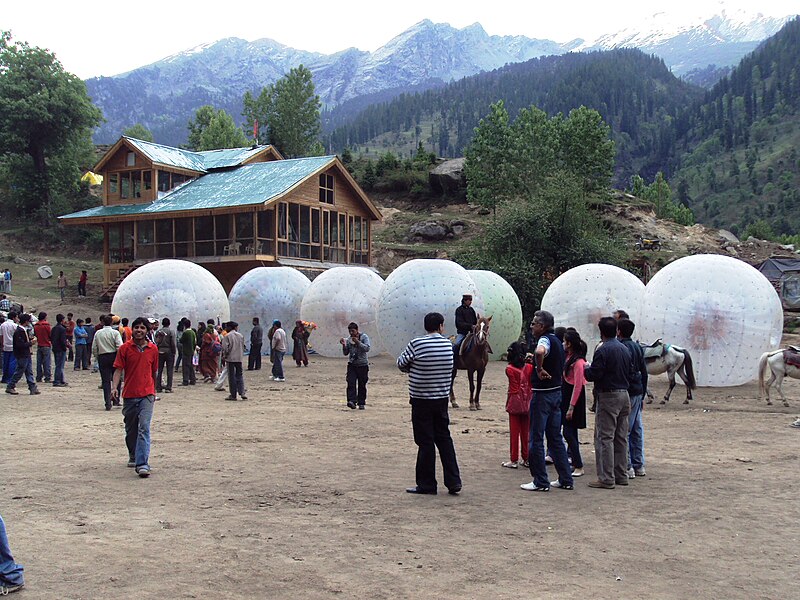
File:Zorbing at Solang.jpg


Jalori pass is at  an elevation of 10,800 ft (3.120m) above sea level, is situated in the Kullu district of Himachal Pradesh.Jalori Pass is the first Indian pass to open every year, and is driveable by all vehicles.The road is very steep and twisty and you regularly will see trucks lying at the bottom of the valley several thousand feet below, and each small turn on the mountain road takes higher and higher.

Tuesday, June 5, 2012

Day 41 - Shimla

Day 41


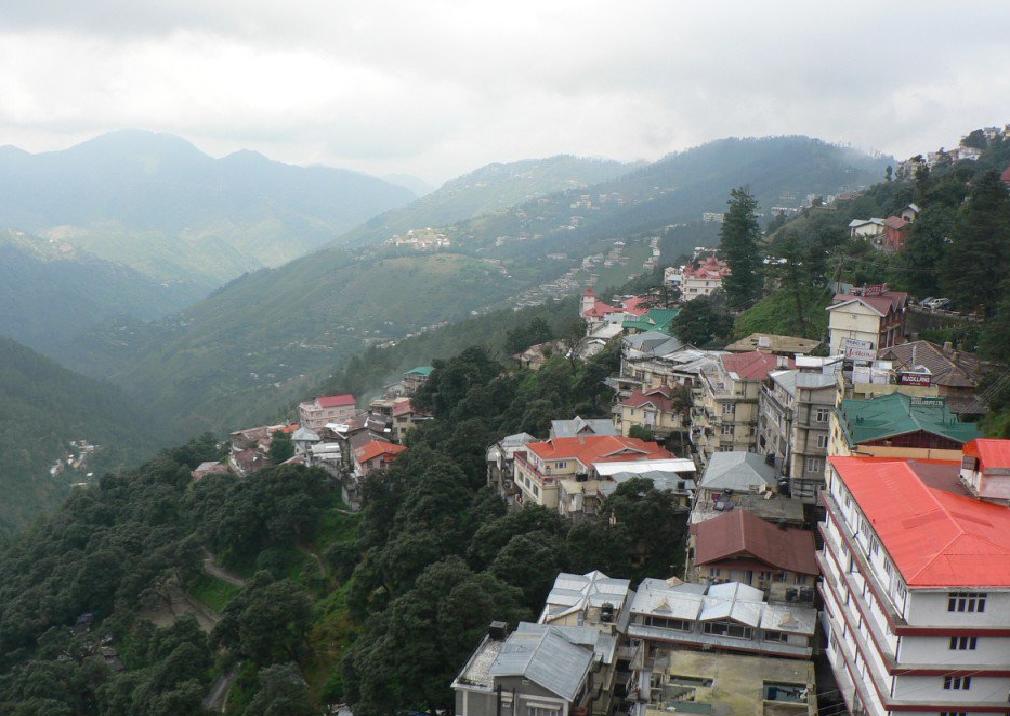
Shimla  is the capital of the Indian state of Himachal Pradesh. British declared this city as their summer capital in 1864.Situated in the north western part of the Himalayan Mountains, Shimla has an elevation of 2,205 meters above sea level. Shimla is unique with its unparalleled glittering beauty. Set in the midst of impressive hills and dense jungles this hill town has its own charm. Its elegant streets, plummeting torrents and salubrious climate make it a thriving hot spot.


How to reach here:

By Air: Shimla’s Jubbarhatti Airport is nearly 25 km away from the heart of the city. The airport is connected to Delhi airport by daily flights. Delhi International airport is the nearest major airport.

By Rail: Shimla has a meter gauge railway station. It connects to the nearest broad gauge station at Kalka, which is at a distance of 96 km from Shilmla.Kalka is well connected to all major cities in India by rail.


Best time to visit: Throughout the year.


Languages spoken:  Hindi, Punjabi, Pahadi and English.


Must eat: Chha meat, Bathu ki Khir, Sepu Badi, Chicken Anardana.


Famous Restaurants: Ashiana Goofa Restaurant, Fascination Restaurant, Himani Restaurant, Solitaire Restaurant.


Places you must visit:

Ridge is located in the core of the fascinating Shimla and offers a large open space. The beautiful region is full of lush vegetation and panoramic scenic beauty. The Ridge joins the Scandal Point and leads to Lakkar Bazaar on the east side. It has become a popular destination for summer festival and local celebrations.


Jakhu Temple is a majestic temple and dedicated to Lord Hanuman. Situated on the top of the beautiful Jakhu hill at an altitude of 2455 meters above the sea level it is surrounded by forest. There are many monkeys around this temple but fortunately do not attack travelers.


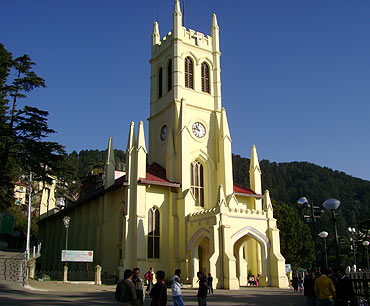
Christ Church at the Ridge is the second oldest church in northern India constructed in 1846-1857. Designed by Colonel J. T. Boileau, the Church features a clock on the church tower that was put up in 1860. The porch along with the church was added in 1873. Its brass plaques and stained glass windows are an attraction that exhibit faith, hope, charity, fortitude, patience and humility. The fresco surrounding chapel window was designed by Rudyard Kipling's father, Lockwood Kipling.


Dorje Drak Monastery is a major tourist destination in Shimla. The mesmerizing monastery stands gloriously and shines with its holistic features of Tibetan Almighty. It has a pleasant ambience that is sure to soothe mind and body and feel rejuvenated.


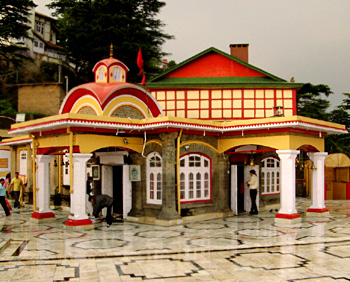
The Kali Bari Temple, one of the ancient temples of the city, was built in 1845. Dedicated to the fearsome reincarnation of Goddess Kali, known as Shyamala, the Goddess is believed to have existed near Jakhoo. The shrine of the blue Goddess existed near Rotheny Castle on Jakhoo before it was shifted to a place, known as Kali Bari at present.In the temple, a wooden image of the Goddess Kali in the form of Shyamala is worshipped. The original altar at the shrine was established by the Bengali devotees as per historians.Goddess Kali is worshipped in the forms like Bhavani, Bhadrakali, Cchinnamasta, Chamunda, Durga, Himavati, Kumari Sati, Kamakshya, Meenakshi, Parvati, Rudrarani, Tara and Uma at the shrine.


Rothney Castle is the property and also a major tourist destination of Shimla. It is also known as Rothney castle estate at Jakhu Hill. This is the property shown as a tourist point of the Himachal Government and was a heritage home of A O Hume. The castle is surrounded by beautiful greenery sceneries.


Himalayan Aviary or the Himalayan Bird Park is nearby the Vice regal lodge situated in Shimla at a height of over 2000 meters and a wonderful place for nature lovers. It has natural green pastures filled with rare plants and trees. Besides, it also has a huge collection of bird species like the Peafowl, Pheasants, Himalayan Monal (Himachal Pradesh State bird), Peacock, etc.


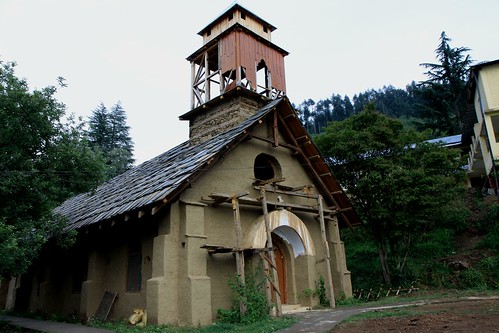
St Mary's Church is located at Kotgarh, situated nearby Shimla. It was constructed in 18th century, exact date varies most records attribute it to 1843 while others claim it was constructed in 1872. However, being in the exquisite natural beauty and near the Himalayan Range makes it a place worthwhile to see. Besides, the drive to the Church goes through mustard fields, blue hills and the important historic place of Thanedar where the very first apple orchard was planted in 1916 by Samuel Stokes.


Jakhoo Hill, is located at a distance of 1 kilometre from the Ridge, and is at a height of 8,000 feet above sea level. The highest peak of Shimla provides a beautiful view of the city with sunrise, sunset, the valleys of evergreens and snow-covered Himalayan ranges. Jakhoo Hill also has an ancient Hanuman temple.According to legend, the shrine is believed to exist since the times of Ramayana. The temple is a century old spiritual edifice that attracts devotees as well as trekkers and mountaineers.The word 'Jakhoo' is derived from 'Yakhsa', a link between humans and gods as per Hindu Mythology. The character is believed to be a protector of the divine treasure. The way to the temple is a narrow pavement that needs walking sticks to climb from the base.


The Town Hall is a renovated Municipal Corporation building of Shimla. Built during the British regime in 1910, the Town Hall exhibits architecture reminiscent of the pre-independence era, preserved in its original form.Located on the famous Mall Road, the large steps on the entrance of the building are highlights of the historic testimony. The steps are also a common site, where visitors click pictures.


The Shimla State Museum was set up in 1974 to protect and preserve the hill-out and cultural wealth of Himachal Pradesh. Artefacts and art objects in the museum exhibit collections pertaining to art, archaeology and cultural anthropology of Himachal Pradesh.There are 10,000 objects in the museum. The institution is segregated into galleries exhibiting different eras and periods like Pre-historic, Indian Archaeology, Woodcarvings, Arms Gallery, Gandhi Gallery and Himachal Archaeology.There are separate galleries for Pahari Miniature Paintings, Philatelic, Anthropological Monuments, Bronze artefacts, Photographs, Rajasthan paintings, Numismatics, Contemporary Art & Wall Paintings.These galleries have coins, photographs, local handicrafts and other items in the form of artefacts. Besides, the regional gallery displays a vast collection of Himachali bridal and tribal dolls along with paintings. The museum also features Mughal and Rajasthani miniature paintings.Among other highlights of the museum are the 6th to 11th century Gupta sculptures, 8th century stone images from Masrur and Bajaura. Temple bronzes, jewellery, textiles and masks from Kullu are also on display in the museum.


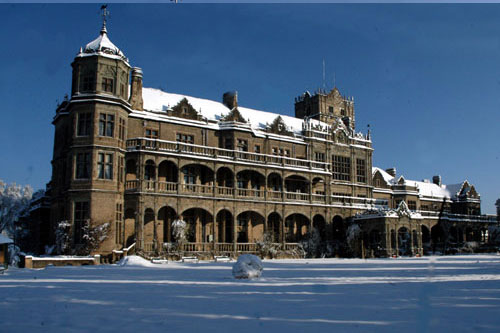
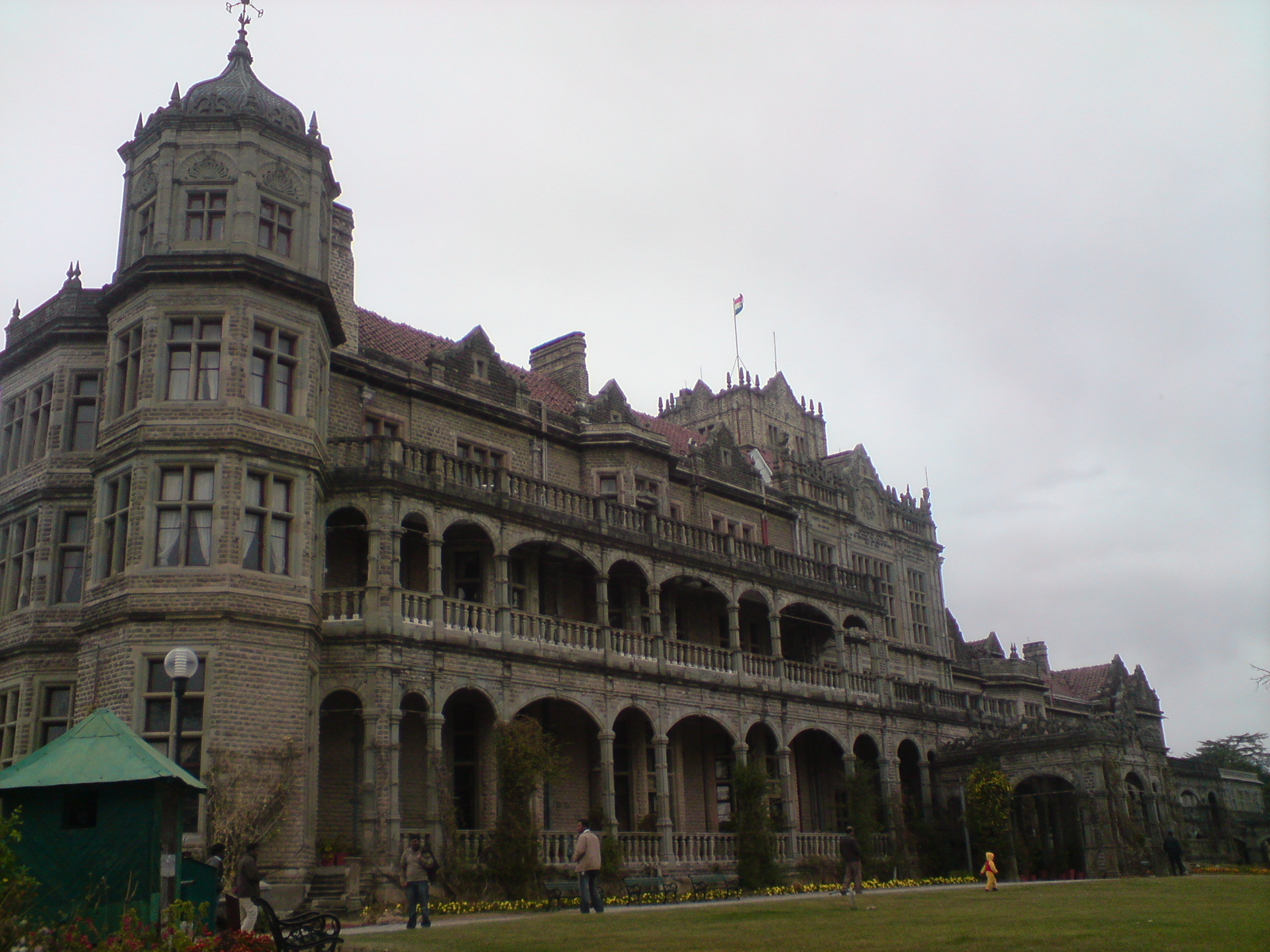
The Indian Institute of Advanced Study was built during 1884-1888 during the British rule in India. Housed in Viceregal Lodge atop Observatory Hill, the premise is encircled by pine trees and gardens. The British mansion was constructed by Lord Dufferin in the European style and was designed by Henry Irvine.One of the highlights of the institute is the teak-panelled interiors. Along with this, the entrance portico, the reception hall, grand staircase and fireplace are the other highlights.The state drawing room, ballroom and the wood-panelled dining room and an indoor tennis court draw a lot of visitors. The highlighting feature of the ancient Viceregal Lodge is the Burma teak interiors along with gracious grey sandstones.


The Himalayan Nature Park in Kufri, one of the popular locations around Shimla, is located at a distance of 16 km. The site renowned for its ski slopes is a natural habitat of rich flora and fauna with about 140 species. Along with the park, the state government has set up a Potato Research Centre.Spread over an area of 90 hectares, the Himalayan Nature Park was set up in 1992. The park also houses 'Monal', the State bird of Himachal Pradesh, also an endangered Himalayan species.The site also has a mini zoo amidst dense forests, housing rare breeds of wild animals and pheasants of the Himalayan terrain. The attractions of the zoo include Tibetan Wolf, Brown Bear, Musk Deer and Barking Deer.Along with the zoo and nature park, tourists can also engage in horse riding.


The Palace of Maharaja Patiala is positioned in the midst of Himalayan Pines at an altitude of 2,250 metres at Chail. The palace was constructed by the Maharaja of Patiala in 1891 and also served as a lodging place of British officials and laureates.The palace is spread over an area 75 acres, enveloped in Himalayan Cedar forests. Combining the charm and beauty of mountain ranges, the palace was converted to a luxurious hotel with a museum gallery exhibiting the grandeur and elegance of a princely estate.


Scandal Point is a popular tourist site located on the Mall Road.Scotland Church, historical Alfa restaurant and the beautiful view of the valleys are the highlighting features of the site.According to the historians, the place derived its name from the incidence, as emperor of Patiala, smitten by daughter of Viceroy of India, kidnapped her from this point. The reason of the incidence is not disclosed, with historians describing it as sinful as well as a national pride.The highest point of the Mall area, Scandal point also features statue of the legendary freedom fighter of India, Lala Lajpat Rai. 


The Chail Wildlife Sanctuary is a forest cover, perched over the Himalayas at an altitude of 1,000 metres to 2,180 metres above sea level. The hunting reserve of the Royals of the Patiala Kingdom, the forest reserve was declared a wildlife sanctuary in 1976.The region demarcates itself from the rest of the Himalayan belt with sudden surge of pine, oak and cedar trees. The forest rich with Himalayan flora becomes dense with rise in altitude.The Chail Wildlife Sanctuary is a habitat of numerous wild animals, which includes leopard, rhesus Macaque, Indian Muntjac, wild boar, crested porcupine, panthers and ghoral.The sanctuary is also home to European red deer, sambar, Himalayan black bear, langur and black-napped hare. Cheer pheasant and Kalij pheasant are among the notable species of birds in the sanctuary.


The Gaiety Heritage Cultural Complex is one of the testimonies of the historic British capital of India, designed by Henry Irwin. The 122 years old Cultural Complex is an important centre for all the theatrical, cultural and literary events.Built in the Gothic Victorian style on 30th May, 1887, the theatre has been a stage to national as well as international artists over the years. For preserving the heritage and making the complex more attractive, the complex was renovated in recent years without touching the existing structure.The attractions inside the complex are Art gallery exhibiting contemporary and traditional arts and a City Museum displaying historical arts and crafts of the Himalayan province. There is an Amphitheatre for hosting cultural performances. The multi-purpose theatre also features a conference hall along with the old theatre for theatrical and classical events.


Woodville is among the finest and oldest sites of Shimla built in 1865. Located in the east of the city, the mansion was the honored residence of the Commander-in-Chief during the British regime. General Sir William Rose Mansfield was the first occupant of the bungalow.n 1881, the mansion was bought by Sir James Walker who passed it on to the Alliance Bank of Shimla  which used Woodville as the manager's residence. Carrying forward the progression, the bungalow was acquired by Raja Rana Sir Bhagat Chand of Jubbal. He converted the mansion into his summer palace.After the demise of the King, Woodville was transformed into a hotel by one of his grandsons. Implicative of a European house, the house has beautiful surroundings and wooded pavements with dotted boundary of cedars and lawns.At present, Woodville is known as the Woodville Palace Hotel, which offers luxurious accommodation with advanced facilities and recreational opportunities.


The Nature Park in Summer Hill is among the noteworthy sightseeing spots, located at a distance of 5 kilometers from the city center  The suburb stands at a height of 6,500 feet on the Kalka-Shimla railway line. Summer hill, also known as Potter's Hill is among seven-hill clusters forming the hill station of Shimla.The name of Potter's hill originated from yesteryear  when potters visited the place to gather clay for making pots. Rich in variety of hilly flora and fauna, the hill situated next to Observatory Hill has a canopy of temperate forest.This Nature Park is frequented by thousands of holidaymakers, who can also enjoy horse rides through these dense forests of cedars and oaks.


Annandale, a historic playground, is a favorite spot for cricket and the princely game of polo.Standing at a height of 6,117 feet above sea level, the round playground on a small patch of table-land is spread over a circumference of three-quarters of a mile. Captain Charles Pratt Kennedy, one of the first incomers to the place, named it Annadale, which is nowadays misspelt as Annandale. Since the 1830s, Annandale has been an important center of Anglo-Indian playful activities, amusement and entertainment. Tourists visit the place for picnic parties, fĂȘtes, birthday-balls, fancy-fairs flower, races and polo matches. The polo tournament at the playground was the annual feature, which was eventually shifted to Kolkata. Moreover  Lord William Beresford, the Military Secretary to Lord Dufferin expanded the ground to feature a pavilion for cricketers and a polo field for polo players. At present, the playground hosts army exercise and parades, sports and Dussehra festival celebrations. Besides, the field is utilized as one of the heliports in the city.


The Photo Art Gallery is a famous gallery where the beauty, culture, flora and fauna of the Himalayan state, Himachal Pradesh can be explored. The gallery exhibits 20,000 photographs of the state taken by the famed photographer, Inder Pal. Some of the highlighting works are Bhimakali Temple Shimla, Christ Church Shimla Viceregal Lodge Shimla and Chandratal Lake Shimla.


Ellerslie is the Himachal Pradesh Secretariat, which is also known as Raj Bhawan. It hosts assemblies of Vidhan Sabha. The Ellerslie building was designed by Lt. Col. H.E.S. Abbott over hundreds of years ago during the British Empire.The structure was constructed after dismantling an old building of the same name that housed the military department of the Punjab Government until 1886. Thereafter, the building is connected with Barnes Court where the interiors of the building feature brickwork of lime mortar cementing.The building of Ellerslie was taken over by the Himachal Pradesh Secretariat in the summer’s assembly of 1967. In July 1972, the 'Summit Hall' hosted cabinet meetings and was named after the initial summit meeting for Shimla Agreement between India and Pakistan. The building has a sub-basement along with basement and three floors, which has 143 rooms and 31 public conveniences.


The Bhimakali Temple, dedicated to Goddess Durga in the form of Bhimakali, is one of the famous Hindu shrines in the Himalayan province. Initially, the temple was the worship place of Bushair rulers of Rampur (Shimla).The temple exhibits fine artwork of Himachali architecture, influenced by Tibetan, Buddhist and Hindu styles of architecture. The Bhimakali shrine features a slanted slate roof, golden towers, pagodas and a carved silver door.The 800 years old temple is believed to be among one of the 51 Shakti Peeths of Shaivite Hindus. According to Hindu mythology, the Shakti Peeths are devoted to Shakti, also known as Durga, the Mother goddess. 


Gorton Castle is a contrasting testament of the historic summer capital of British India established in 1904. Designed and constructed in a Gothic style, the foundation of the building was laid by Sir Swinton Jacob, a renowned British architect. He served a long term as an executive engineer in the Rajputana state of Jaipur.The highlight of this Gothic Castle is the 'Rajasthan jaali' work on balconies. During the olden times, the building served as Civil Secretariat of the Imperial Government of India, featuring departments like Legislature, Land, Education, Home, Health and Finance. At the moment, Gorton Castle has offices of the Accountant General of Himachal Pradesh.Positioned on the hilltop, the building is spread across an area of 400 feet x 100 feet. The three storey testament comprises 125 small and big rooms. Gorton Castle is encircled by rosewood like timber blocks which were brought from Andaman Islands. Solid grey Sanjauli stone was used in the construction of the building and a red tile roof, which was replaced by galvanized red iron sheet roof.


The Railway Board Building, on the way to The Mall, is an unusual structure of cast iron and steel. To ensure safety and fire resistant structure, the building was one of the important buildings of the British Empire. The building built in 1896, held offices of the PWD’s Secretary, Railway Board and a Department of Commerce in the form of Accountant-General.The building was initially designated as the 'Public Works Department Secretariat Offices'. At present, many of the central Government offices reside inside the building. The building received its current name, when it housed Railway Board in 1923. The fire resistant structure was found intact without any major loss during a blaze in the top floor in 2001.


The Tara Devi Temple is among the most celebrated shrines in the region, stationed at a height of 6,070 feet above sea level. Dedicated to the Goddess of stars, the temple is visited by tourists and devotees in large numbers. This temple of high religious significance is believed to be built over 250 years ago.The shrine of Tara Goddess is situated on Tara Devi Mountain between Shoghi and Shimla. According to legend, the goddess keeps vigil on everyone resting on a hill top, showering innumerable blessings to her devotees. The devotees are served with a meal known as 'langar' on every Sunday.Located on the mountain peak, it provides a beautiful view of Shimla and the snow-clad Himalayan range on one side, while the other side reveals plains at a far distance. 


Gurkha Gate is one of the oldest gateways built in the hill station. Located on the Chaura Maidan Road, it is the main gateway to the Viceregal Lodge. Also known as the Institute of Advanced Study, it was the official summer residence of the Viceroy of India.The gate was built as a tribute to Gurkha soldiers of Nepalese origin that stood at this front to the save Himalayan kingdom. The Gurkha community was renowned for its bravery, humour and unswerving loyalty to the British Empire.On behalf of martyrdom of the Gurkha soldiers, Lady Curzon, the Vicereine at that time, applauded their contribution. Owing to her efforts, the British built the gates, carving their glory.


The Sankat Mochan Temple is one of the most popular worship places in Shimla. The temple is located in the midst of lush green trees just below National Highway 22. Tourists can see the Himalayan ranges and the widespread city of Shimla.In the 1950s, Baba Neeb Karori Ji Maharaj visited the place for soulful introspection and meditation. Being here for over 10 years, he built a temple dedicated to Lord Hanuman that was completed in 1966. Thereafter, the Government of Himachal Pradesh took an initiative to expand the temple.The Sankat Mochan Temple houses the idols of Lord Shiva, Lord Rama and Lord Ganesha in separate complexes along with Lord Hanuman in the main temple. The temple of Lord Ganesha is designed in the South Indian architectural style.


The Golf Course in Naldehra is among the oldest golf clubs in the world, situated 23 kilometres from Shimla. With a springing turf, the golf course stretches over a sprawling area enveloped among trees at an altitude of 2,200 metres. Initially a 9-hole course, the Naldehra golf course was expanded to 18 holes for organising national and international events.The golf club of Naldehra was founded in 1920 and is maintained by the Himachal Tourism Department at present. A well-groomed golf course along with the undulating hills and Himalayan oaks lures visitors for picnics or excursions.


The Mahakali temple lies on the banks of the calm and beautiful Mahakali Lake.The temple is dedicated to Maha Kali alias Goddess Kali Devi. The place and the lake are imposing and anyone can relax without any disturbance. Panoramic views of mountains and meadows in the surroundings enhance the beauty of the place. A deep silence greets one to this place.


Nalagarh Palace is a popular tourist attraction in Solan. Well manicured gardens, arresting views of the Shivalik ranges and a unique blend of Mughal and Indian style of architecture, makes this palace a must visit.The palace was converted into a heritage resort and large scale renovations have been done to retain its lost glory.


Sidh Baba Ka Mandir is a religious place in Chail.As per mythology and local legends, a saintly figure - a Sidh came in the dream of Maharaja Bhupinder Singh, who originally planned to build a palace at this place and informed that this was the place for a Mandir and not for a residential palace.Hence the pietious Maharaja constructed and dedicated to the saint and mandir was known as Sidh Baba Ka Mandir. The surroundings are scenic and the Mandir is a good picnic spot to visit.


Monday, June 4, 2012

Welcome to the most spectacular landscape of Himachal Pradesh...

“Let your mind start a journey through a strange new world. Leave all thoughts of the world you knew before. Let your soul take you where you long to be...Close your eyes let your spirit start to soar, and you'll live as you've never lived before.”


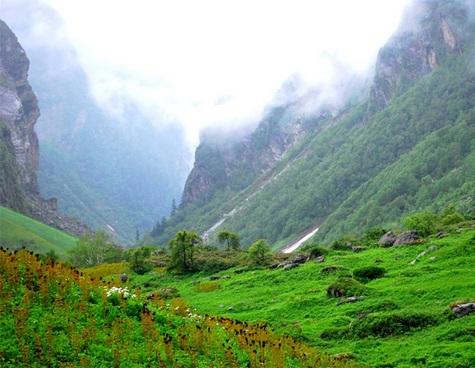
Nestled in the Himalayas, the world's mightiest mountain ranges, Himachal is blessed with some of the most spectacular landscapes anywhere. Truly a travellers paradise, with mighty snow peaks, deep gorges, lush green and golden valleys, flower filled meadows, misty woods, fast flowing icy rivers, glaciers and enchanting lakes.It is the land of eternal snow in the north-west of India. The literal meaning of Himachal is 'Land Of Snow'. It is also known as 'Dev Bhoomi' ( the land of Gods).


Capital city : Shimla


Major Cities: Shimla, Dharmashala, Kangra, Mandi, Kullu, Chamba, Dalhousie, Manali,Nalagarh, Mcleod Ganj, Palampur,Kasauli and Chail.


Location of Himachal Pradesh in India:


Map of Himachal Pradesh: